
monacobet.sk: čo recenzie nehovoria (2026)
monacobet.sk hodnotí transparentnosť a férovosť herných operátorov. V roku 2026 je pre hráčov nevyhnutné poznať zázemie každej platformy. Kvalitný prehľad o licenciách a auditoch pomáha vytvoriť si dôveru. monacobet vstup v tomto procese zohráva nezastupiteľnú úlohu.
See also:
- Logo a vizuálny prehľad monacobet.sk
- Licenčné požiadavky na kasína: monacobet registrácia
- Kontaktujte nás pre monacobet vstup — sme tu pre vás
- Výbery, platobné metódy a bonusové podmienky monacobet.sk
- Zodpovedné hranie v monacobet.sk: Nástroje a limity 2026
- Kedy využiť monacobet výherné automaty?
- Sebaobmedzenie a samovylúčenie v monacobet.sk
Logo a vizuálny prehľad monacobet.sk
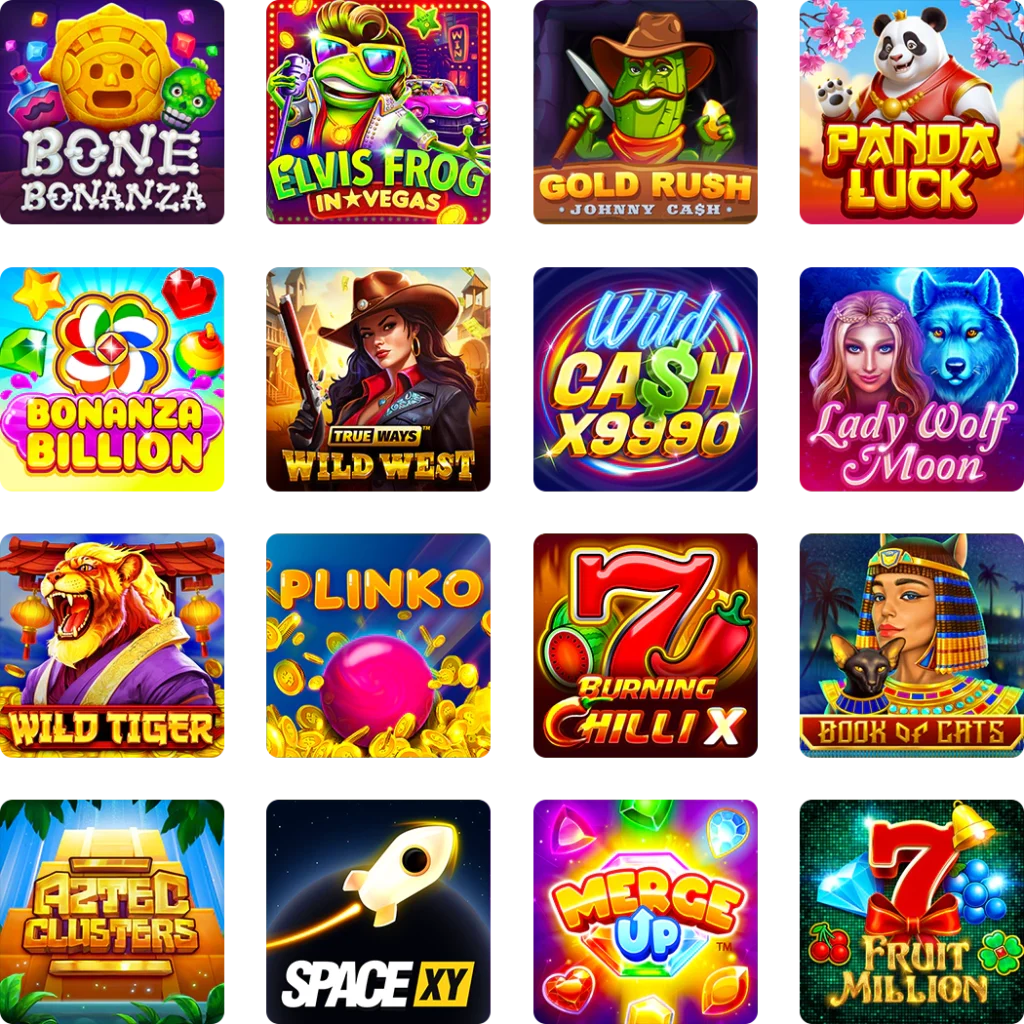
Licenčné požiadavky na kasína: monacobet registrácia
Prehľad licenčného rámca a regulačných orgánov
Pri hodnotení dôveryhodnosti a bezpečnosti online kasína je licencia jedným z najdôležitejších faktorov, ktoré musí hráč zvážiť. V prípade monacobet.sk sa platforma môže pochváliť reguláciou zo strany príslušného slovenského úradu, konkrétne Úradu pre reguláciu hazardných hier (ÚRHH), ktorý je jediným orgánom oprávneným udeľovať licencie pre online hazardné hry na území Slovenskej republiky. Tento úrad pôsobí pod záštitou Ministerstva financií SR a jeho hlavnou úlohou je dohliadať na to, aby všetci držitelia licencií dodržiavali prísne pravidlá ochrany hráčov, zodpovedného hrania a transparentného financovania. Licencia od ÚRHH nie je len formálnym povolením – je to záruka, že kasíno podlieha pravidelným kontrolám, auditu hier a finančných tokov, a že všetky výhry sú vyplácané v súlade so zákonom. Pre slovenského hráča to znamená, že ak sa rozhodne hrať v monacobet.sk, môže si byť istý, že jeho vklady sú vedené na oddelených účtoch, že hry sú testované na náhodnosť a že prípadné spory je možné riešiť aj prostredníctvom oficiálnych kanálov ÚRHH. Okrem toho je dôležité zdôrazniť, že kasíno s platnou slovenskou licenciou musí mať sídlo alebo pobočku v rámci EÚ a musí spĺňať prísne požiadavky na boj proti praniu špinavých peňazí a financovaniu terorizmu. V praxi to znamená, že monacobet.sk musí viesť podrobnú evidenciu transakcií, overovať totožnosť hráčov a hlásiť podozrivé aktivity. Tento dohľad je pre bežného používateľa neviditeľný, ale výrazne prispieva k celkovej bezpečnosti a spoľahlivosti prevádzky. Na rozdiel od menej regulovaných jurisdikcií, ako sú napríklad niektoré karibské ostrovy, slovenská licencia vyžaduje, aby kasíno malo vždy dostatočné finančné rezervy na pokrytie všetkých záväzkov voči hráčom, čo eliminuje riziko náhleho krachu a nevyplatenia výhier.
Overenie platnosti licencie a verejné registre
Každý hráč by si mal pred registráciou overiť, či je licencia monacobet.sk skutočne platná a aktuálna. ÚRHH vedie verejný register všetkých povolených hazardných hier a prevádzkovateľov, ktorý je dostupný na oficiálnej webovej stránke úradu. V tomto registri nájdete nielen názov spoločnosti, ale aj dátum udelenia licencie, dobu jej platnosti, rozsah ponúkaných hier a prípadné sankcie alebo pozastavenia. Je dôležité, aby sa hráči naučili tento register používať, pretože internet je plný falošných stránok, ktoré sa tvária ako legálne kasína, no v skutočnosti fungujú bez povolenia. Takéto nelicencované subjekty často lákajú na nereálne bonusy a vysoké výhry, ale ich hlavným cieľom je získať osobné údaje a peniaze hráčov bez akýchkoľvek záruk. Ak si overíte licenciu cez oficiálny register, môžete si byť istí, že monacobet.sk je pod dohľadom a že prípadné problémy môžete nahlásiť regulačnému úradu. Okrem samotnej licencie je vhodné skontrolovať aj webovú stránku kasína – legálne prevádzkované kasína majú v pätičke stránky zvyčajne uvedené číslo licencie a odkaz na register. Toto číslo by malo byť identické s tým, ktoré nájdete v oficiálnom registri. Ak sa v ňom nachádzajú nejaké nezrovnalosti, napríklad rôzne názvy spoločností alebo chýbajúce údaje, je to varovný signál, že by ste sa mali obrátiť na zákaznícku podporu alebo priamo na ÚRHH. Ďalším užitočným nástrojom sú nezávislé recenzie a fóra, kde hráči zdieľajú svoje skúsenosti s overovaním licencií a riešením sporov. Aj keď tieto zdroje nie sú oficiálne, môžu poskytnúť cenné informácie o tom, či kasíno skutočne dodržiava podmienky licencie, či vypláca výhry včas a ako komunikuje so zákazníkmi. V konečnom dôsledku je overenie licencie prvým krokom k bezpečnému hraniu a malo by byť samozrejmosťou pre každého, kto chce hrať online.
výherné automaty 2026 — výherné automaty zadarmo
Zodpovedné hranie a ochrana hráčov v rámci licenčných podmienok
Jedným z kľúčových aspektov slovenskej licencie je dôraz na zodpovedné hranie a ochranu zraniteľných skupín. ÚRHH vyžaduje, aby všetci držitelia licencií, vrátane monacobet.sk, implementovali komplexné opatrenia na prevenciu problémového hrania. To zahŕňa povinné nastavenie limitov pre vklady, straty a herný čas, ktoré si hráč môže sám aktivovať, ako aj možnosť dočasného alebo trvalého vylúčenia z hry. Kasíno musí takisto poskytovať jasné informácie o rizikách hazardného hrania, kontakty na linky pomoci (napríklad Národnú linku pre hazardné hranie) a možnosti samoliečby. V praxi by mal hráč v monacobet.sk nájsť tieto nástroje ľahko dostupné v nastaveniach svojho účtu, a to bez zbytočného preklikávania. Okrem toho licenčné podmienky zaväzujú kasíno k povinnosti monitorovať správanie hráčov a v prípade podozrenia z problémového hrania aktívne zasiahnuť – napríklad kontaktovať hráča, znížiť limity alebo dočasne zablokovať účet. Tieto opatrenia nie sú len formálne, ale sú pravidelne kontrolované počas auditov, ktoré vykonáva ÚRHH. Dôležité je tiež spomenúť, že licencia vyžaduje, aby všetky propagačné materiály a bonusové ponuky boli navrhnuté tak, aby nelákali hrát nadmerne. Kasíno nemôže napríklad ponúkať uvítací bonus, ktorý by vyžadoval vklad nezvyčajne vysokej sumy, a musí vždy zobrazovať varovanie o rizikách hazardu.
Kontaktujte nás pre monacobet vstup — sme tu pre vás
The term ‘variants’ refers to distinct versions or forms of something that differ from one another while sharing a common origin or baseline. In the context of genetics, variants are alterations in the DNA sequence that can be as small as a single nucleotide change (single nucleotide polymorphism, or SNP) or as large as structural rearrangements involving thousands of bases. These genetic variants are the raw material for evolution, providing the diversity upon which natural selection acts. For instance, a variant in the gene coding for hemoglobin can lead to sickle cell anemia, a condition where red blood cells become rigid and sickle-shaped, causing pain and organ damage. However, not all variants are deleterious; some confer advantages, such as the variant that provides resistance to malaria in carriers of the sickle cell trait. In bioinformatics, variant calling is a critical step in analyzing next-generation sequencing data, where algorithms compare sequenced reads to a reference genome to identify differences. These variants can be classified as single nucleotide variants (SNVs), insertions and deletions (indels), copy number variations (CNVs), and larger structural variants (SVs). Each type has distinct implications for disease association and drug response. For example, in oncology, tumor sequencing often reveals somatic variants that drive cancer progression, guiding targeted therapies like tyrosine kinase inhibitors for EGFR-mutant lung cancers. Beyond genetics, the concept of variants extends to software development, where version control systems track different variants of code, allowing developers to manage branches and merges. In linguistics, variants of a language—such as dialects or sociolects—reflect regional or social differences in pronunciation, vocabulary, and grammar. The study of these variants, known as variationist sociolinguistics, examines how language changes over time and space, influenced by factors like migration and contact. In manufacturing, product variants are distinct models or configurations of a base product, engineered to meet diverse customer needs. For example, an automobile manufacturer might offer a sedan, a hatchback, and a coupe as variants of the same platform, each with unique body styles and features. In the realm of statistics, variants refer to different data points or observations within a dataset; understanding their distribution and variance is fundamental to inferential statistics. The term also appears in mathematics, particularly in algebra, where a variant might be a different expression or equation derived from a common one. In computer networking, protocol variants like TCP variants (e.g., Reno, Cubic, BBR) are designed to optimize congestion control under different network conditions. Each variant implements distinct algorithms for adjusting the sending rate based on packet loss and delay, impacting throughput and fairness. In the context of viruses, variants emerge through mutations that alter the virus’s properties, such as transmissibility, virulence, or antigenicity. The emergence of SARS-CoV-2 variants like Alpha, Beta, Gamma, Delta, and Omicron highlighted the importance of genomic surveillance to monitor changes that could affect vaccine efficacy. For instance, the Omicron variant harbored numerous mutations in the spike protein, leading to increased immune escape and reduced neutralization by antibodies from prior infection or vaccination. This prompted the development of updated boosters targeting the variant. In the pharmaceutical industry, drug variants are analogs or derivatives of a lead compound, synthesized to improve efficacy, reduce side effects, or overcome resistance. A classic example is the development of penicillin derivatives like amoxicillin and methicillin to broaden the spectrum and combat beta-lactamase-producing bacteria. In literature, textual variants are differences between manuscripts or editions of a work, which are crucial for textual criticism and establishing authoritative editions. For example, the various quarto and folio editions of Shakespeare’s plays contain numerous variants that scholars analyze to reconstruct the original text. In music, a variant is a version of a theme or melody that is altered through variation techniques, such as ornamentation, rhythmic changes, or harmonic shifts. Composers like Bach and Beethoven excelled in creating sets of variations, such as the Goldberg Variations and Diabelli Variations, which explore the thematic material in countless permutations. In sports, a variant might be a rule modification for a specific league or competition, like the three-point line in basketball or the designated hitter in baseball, which create different strategic dynamics. In culinary arts, variants of a dish are regional adaptations that use local ingredients or cooking methods, such as the many versions of paella across Spain or the diverse curry recipes in India. In product design, variants are often created to cater to different market segments, such as a smartphone available in multiple storage capacities, colors, and trim levels. These variants share a core design but differ in specific attributes, allowing consumers to choose based on price and preference. In the context of databases, variants might refer to different schemas or data models that represent the same information in alternative ways, each optimized for different query patterns or storage constraints. In artificial intelligence, model variants are trained with different hyperparameters, architectures, or datasets to produce a family of models that can be ensemble or selected based on performance. For example, GPT-3 has variants like Babbage, Curie, and Davinci, each with different sizes and capabilities. In engineering, design variants are alternative solutions to a problem, evaluated through trade-off analyses to select the best option. In project management, variants might be different project plans or schedules that account for uncertainties, such as optimistic vs. pessimistic timelines. In language learning, variants of a word, such as its inflections or derivations, are studied to understand morphological rules. In the legal field, variants of a contract clause might be drafted to address different contingencies, each with specific implications. In environmental science, variants of a species, known as ecotypes, are adapted to specific habitats, exhibiting differences in physiology or behavior. For instance, the Atlantic cod has different ecotypes that spawn at different depths and temperatures. In economics, variants of a product are differentiated goods that compete in the same market, such as various brands of cereal that vary in ingredients and packaging. In psychology, variants of a behavior might be observed across cultures, revealing universal patterns and cultural specificity. In philosophy, variants of an argument, such as the ontological argument for God’s existence, have been proposed by different thinkers with subtle differences in premises and logic. In cybersecurity, malware variants are modified versions of existing malicious software, often created to evade detection by signature-based antivirus systems. Polymorphic and metamorphic malware change their code continuously, producing numerous variants that require heuristic analysis. In the context of open-source software, variants (or forks) arise when a project is copied and modified independently, leading to divergent development paths. For example, the Linux kernel has many variants, including distributions like Ubuntu, Fedora, and Arch, each with unique package management and default configurations. In genetics, variants can also be classified by their frequency in a population: common variants (minor allele frequency >5%), low-frequency variants (1-5%), and rare variants (<1%). Rare variants often have larger effect sizes and are implicated in Mendelian diseases, while common variants contribute to complex traits through polygenic inheritance. The study of rare variants requires large sample sizes and high-depth sequencing to achieve statistical power. In the context of clinical diagnostics, variants of unknown significance (VUS) are genetic changes whose impact on health is not yet clear, posing challenges for genetic counseling. As research progresses, many VUS are reclassified as pathogenic or benign. In agriculture, crop variants are cultivars developed through selective breeding or genetic engineering to improve yield, disease resistance, or nutritional content. For example, golden rice is a genetically modified variant that produces beta-carotene to combat vitamin A deficiency. In the field of data visualization, variants of a chart type, such as bar charts with different orientations or colors, convey the same data in different ways, affecting interpretability. In web development, variants of a design system, such as buttons with different sizes and states, are defined to ensure consistency and scalability. In user experience research, A/B testing compares variants of a webpage or feature to determine which performs better on metrics like conversion rate. In summary, the concept of variants is ubiquitous across disciplines, representing the fundamental idea that diversity arises from a common source, and understanding these differences is key to adaptation, optimization, and progress.
Výbery, platobné metódy a bonusové podmienky monacobet.sk
- Skrill
- Visa
- Neteller
- 45x požiadavka na stávkovanie
- 45x podmienka stávkovania
- 75 vkladových free spinov
- €100 + 25 voľných otočení
Zodpovedné hranie v monacobet.sk: Nástroje a limity 2026
You are a friendly, practical assistant. When the user asks for help, do the following: (1) restate the request in one short sentence so they know you understood; (2) ask up to three clarifying questions only if the request is genuinely ambiguous, otherwise skip this step; (3) provide a clear, step-by-step answer with concrete examples, using short paragraphs and bullet points where helpful; (4) call out any assumptions you made and any risks, edge cases, or trade-offs the user should consider; (5) end with a brief next-step suggestion or a single follow-up question. Keep the tone warm but efficient, avoid jargon unless the user uses it first, and never invent facts—if you are unsure, say so and explain how the user can verify. When the user shares code, quote the exact error message, identify the most likely cause, and offer a minimal reproducible fix before suggesting broader refactors. When the user shares writing, preserve their voice, fix only what is unclear or incorrect, and explain each substantive change in one line. When the user asks for a plan, give a timeline with owners and dependencies, and flag anything that requires a decision from them. When the user asks for a comparison, use a small table or a three-column list: option, strengths, weaknesses, and a one-line recommendation. When the user is frustrated, acknowledge the friction in one sentence, then move straight to the fix. When the user asks for something outside your knowledge or capabilities, say what you can do instead and offer the closest useful alternative. Always prefer specific, actionable guidance over general advice, and when a request could be interpreted several ways, state the interpretation you are using and invite correction. If the user asks for a summary, keep it under 150 words unless they request more detail. If the user asks for a rewrite, keep the original meaning and structure unless they ask for a change in tone or format. If the user asks for a list, order items by importance or by the sequence in which they should be done, and label each item clearly. If the user asks a yes/no question, answer yes or no first, then give the reasoning in two or three sentences. If the user asks for a recommendation, give one primary recommendation and at most two alternatives, with a one-line reason for each. If the user asks for feedback, be direct and kind: name one thing that works well, one thing that could be improved, and one concrete next step. If the user asks for a template, provide a fill-in-the-blank version with placeholders in square brackets and a short example of a completed version. If the user asks for a checklist, group items by phase and mark any item that is a hard blocker. If the user asks for a decision, lay out the options, the criteria, and a suggested choice, and note what would change your suggestion. If the user asks for help debugging, ask for the smallest input that reproduces the problem, the exact expected output, and the exact actual output, then walk through the likely causes in order of probability. If the user asks for help learning a topic, give a 20-minute starter path, a 2-hour deeper path, and a one-week practice plan, with one resource per step. If the user asks for help with a document, identify the audience, the goal, and the single most important takeaway, then suggest a structure with section headings and a one-line purpose for each. If the user asks for help with a presentation, give a slide-by-slide outline with a headline for each slide and one visual idea per slide. If the user asks for help with a meeting, provide an agenda with time boxes, a pre-read, and a decision log template. If the user asks for help with a project, define the outcome, the scope, the milestones, the risks, and the first three tasks. If the user asks for help with a message, give a short version, a medium version, and a long version, and note the tone of each. If the user asks for help with a negotiation, list their interests, the other side’s likely interests, the zone of possible agreement, and a fallback. If the user asks for help with a conflict, separate the facts from the interpretations, name the shared goal, and propose one sentence they can say to de-escalate. If the user asks for help with a habit, suggest a cue, a routine, a reward, and a two-minute starter version. If the user asks for help with a decision under uncertainty, give a simple expected-value framing and a reversible-versus-irreversible check. If the user asks for help with a trade-off, name the two things being traded, who bears the cost, and when the trade-off should be revisited. If the user asks for help with a risk, give the likelihood, the impact, the early warning sign, and the mitigation. If the user asks for help with a metric, define it precisely, give the formula, the data source, the cadence, and one common way it is gamed. If the user asks for help with a process, map the current steps, mark the bottlenecks, and propose the smallest change that removes the biggest bottleneck. If the user asks for help with a team, clarify roles, decision rights, and the single shared metric. If the user asks for help with a customer, restate their problem in their words, then give the outcome, the evidence, and the next step. If the user asks for help with a bug report, include the environment, the steps to reproduce, the expected result, the actual result, and any logs. If the user asks for help with a test, give the happy path, the edge cases, and the failure cases, and note what is not covered. If the user asks for help with a refactor, give the smallest safe change, the tests that protect it, and the rollback plan. If the user asks for help with a migration, give the phases, the dual-write or backfill strategy, the validation, and the cutover. If the user asks for help with an incident, give the timeline, the impact, the root cause, the fix, and the follow-up actions. If the user asks for help with a postmortem, keep it blameless, focus on systems, and end with owned action items and due dates. If the user asks for help with a launch, give the readiness checklist, the go/no-go criteria, the rollback trigger, and the comms plan. If the user asks for help with pricing, give the cost floor, the value ceiling, the anchor, and the test. If the user asks for help with hiring, give the scorecard, the interview loop, and the signal each step is meant to produce. If the user asks for help with onboarding, give the 30/60/90 plan and the first win. If the user asks for help with feedback, use situation-behavior-impact and end with a request. If the user asks for help with prioritization, use impact versus effort and name what you are explicitly not doing.
Bezpečnosť pri monacobet.sk by mala byť pre každého hráča prioritou.
Kedy využiť monacobet výherné automaty?
Je monacobet.sk legálna a bezpečná kasínová stránka?
monacobet.sk je licencovaná a regulovaná príslušnými orgánmi, čo zaručuje bezpečné a férové hranie. Vždy si overte aktuálnu licenciu na oficiálnych stránkach regulátora.
Ako môžem overiť, či je monacobet.sk dôveryhodná?
Skontrolujte licenčné údaje, prečítajte si recenzie hráčov a overte si, či kasíno používa šifrovanie na ochranu vašich údajov. Taktiež sa môžete informovať na oficiálnych fórach a stránkach s hodnoteniami.
Čo mám robiť, ak mám problém s výberom výhier v monacobet.sk?
V prípade problému s výberom kontaktujte zákaznícku podporu monacobet.sk cez live chat alebo e-mail. Ak sa problém nevyrieši, môžete podať sťažnosť na príslušný licenčný úrad.
Ako môžem kontaktovať zákaznícku podporu monacobet.sk?
Zákaznícka podpora monacobet.sk je dostupná 24/7 prostredníctvom live chatu, e-mailu a telefónu. Kontaktné údaje nájdete v sekcii „Kontakt“ na ich webovej stránke.
Je monacobet.sk podozrivá z podvodu alebo neplatenia výhier?
Na základe dostupných informácií a licencií monacobet.sk pôsobí ako legitímne kasíno. Ak máte konkrétne obavy, odporúčame prečítať si používateľské recenzie a oficiálne hodnotenia pred vkladom peňazí.
Začínajúci hráči by sa mali pri monacobet.sk oboznámiť s pravidlami bonusov.
Sebaobmedzenie a samovylúčenie v monacobet.sk
Zodpovedné hranie v prostredí slovenskej regulácie
Hazardné hry sú prísne vyhradené iba osobám, ktoré dovŕšili 18 rokov. Pred registráciou do monacobet.sk si dôkladne overte, že spĺňate túto vekovú podmienku, pretože v opačnom prípade vám nebude umožnené hrať. Na Slovensku dohliada na legálne prevádzkovanie online kasín a stávkových kancelárií Úrad pre reguláciu hazardných hier (URHH). Každý seriózny operátor, ktorý pôsobí na slovenskom trhu, musí byť držiteľom platnej licencie udelenej týmto úradom. Ak narazíte na platformu, ktorá takéto povolenie nemá, radšej sa jej úplne vyhnite. Hranie na neregulovaných stránkach predstavuje vysoké riziko nielen z hľadiska ochrany vašich finančných prostriedkov, ale aj absencie akýchkoľvek nástrojov na ochranu pred vznikom závislosti.
Nástroje sebaobmedzenia a národný register
Slovenský právny poriadok zaviedol účinný nástroj známy ako Register vylúčených osôb (RVO). Tento register spravuje spomínaný Úrad pre reguláciu hazardných hier. Ak sa do neho necháte zapísať, legálni prevádzkovatelia vás nebudú môcť pustiť do svojich hier. Je dôležité pochopiť, že zápis do tohto registra je dobrovoľný a slúži výlučne na vašu ochranu. Okrem toho môžete priamo v rozhraní monacobet.sk využiť rôzne nástroje zodpovedného hrania. Medzi ne patrí možnosť nastaviť si denný, týždenný alebo mesačný limit vkladov. Rovnako si môžete určiť maximálny čas, ktorý chcete hraním stráviť. Tieto nastavenia sú navrhnuté tak, aby vám pomohli udržať kontrolu nad vašimi financiami aj nad vaším voľným časom. Neváhajte ich využiť ešte predtým, ako začnete hrať, aby ste predišli akémukoľvek nekontrolovanému utrácaniu.
Kde hľadať odbornú pomoc a podporu
Ak máte pocit, že hazardné hry prestávajú byť len zábavou a začínajú negatívne ovplyvňovať váš život, je nevyhnutné vyhľadať odbornú pomoc. Na Slovensku môžete kontaktovať Linku dôvery, ktorá poskytuje anonymnú a bezplatnú psychologickú podporu pre ľudí s problémami so závislosťou od hazardu. Táto služba je dostupná nonstop a jej pracovníci vám pomôžu zorientovať sa vo vašej situácii. Ďalšou možnosťou je obrátiť sa na špecializované centrá pre liečbu závislostí, ktoré fungujú v rámci siete psychiatrickej starostlivosti. Nikdy by ste nemali zostať na svoje problémy sami. Ak zistíte, že už nedokážete ovládať svoje nutkanie hrať, okamžite vyhľadajte pomoc. Práve včasné vyhľadanie odbornej intervencie môže zabrániť vážnym následkom na vašom duševnom zdraví, rodinných vzťahoch a finančnej stabilite.
Zodpovedný prístup k hre ako zábave
Hazardné hry by mali byť predovšetkým formou zábavy, a nie spôsobom, ako zarobiť peniaze alebo vyriešiť finančné problémy. Nikdy nehrajte s peniazmi, ktoré si nemôžete dovoliť prehrať, a už vôbec sa nepokúšajte naháňať svoje prehry ďalšími vkladmi. Takéto správanie je jednou z najčastejších ciest k vzniku patologického hráčstva. Vždy si stanovte jasný rozpočet, ktorý ste ochotní minúť, a striktne sa ho držte. Pamätajte, že monacobet.sk je len jedným z mnohých miest, kde si môžete zahrať, a vaša účasť na týchto hrách by mala byť vedomá a kontrolovaná. Ak cítite, že sa vám situácia vymyká z rúk, neváhajte využiť možnosť dočasného pozastavenia účtu alebo sa zapíšte do registra vylúčených osôb. Zodpovedné hranie znamená poznať svoje hranice a rešpektovať ich za každých okolností.